Today, we are going to meet the third of three awesome indie authors I met during a Valentines Day book promotion back in February. We have some fascinating things to talk about so let’s jump right in to my conversation with Madeline Cliffe!
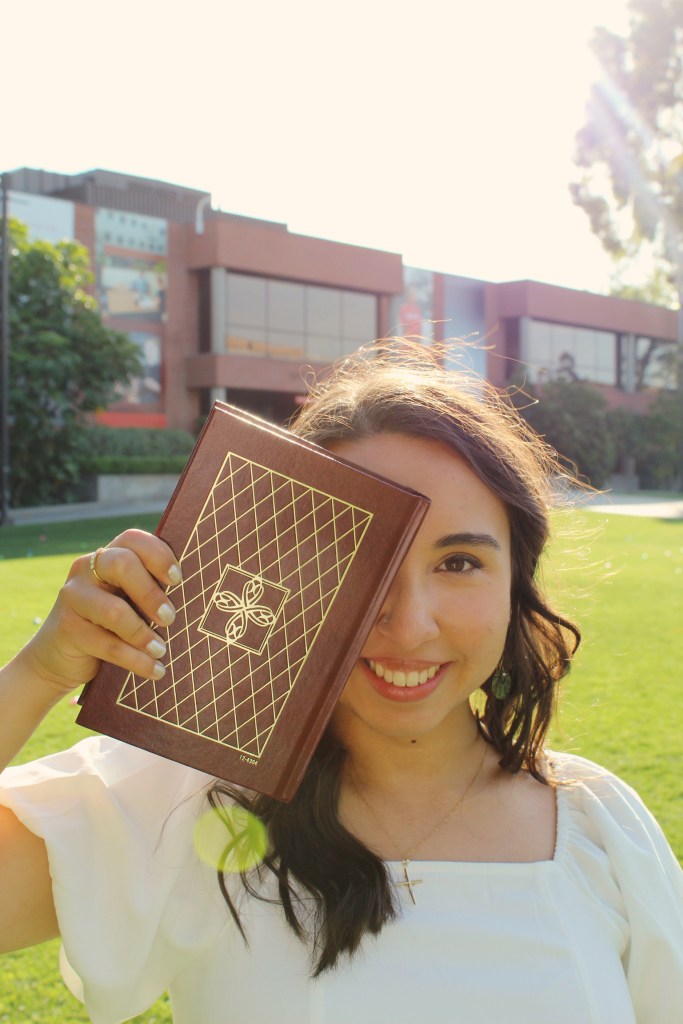
I’ve been looking forward to this interview, Madeline. It’s great getting to know other indie authors in a variety of genres, especially ones who take on tough subjects from a Biblical worldview. By way of introduction, why don’t you tell us how long you’ve been writing and a little about your book, The Sun on His Fangs.
I am a recently published author, but I have been writing since I was 12, and writing novels since I was 13. It is no surprise that the first few books weren’t very good, so The Sun on His Fangs is my only published novel. That book was either my 7th book or my 5th book, depending on how you count.
I started as a fanfiction author, and two of the “books” I referenced were fanfiction. They were part of a trilogy that was published on Fanfiction.net under the pen name TheFlightyFairy. The first book in the trilogy was novella-length, so I don’t count it in my list of books I’ve written. If you ever find me on Fanfiction.net, just know that I wrote most of those things when I was in my mid-teens, so don’t judge me! But I am still proud of those works, especially considering my age and my stage of writing development.
You absolutely should be proud! I think I wrote a few things that would be considered fan fiction when I was in my early teens, but good for you for putting it out there! I’ll have to check it out.
Some Christian authors write about one or two deep topics in their writing, but your book is loaded with challenging subject matter. What compelled you to write about so many things at one time?
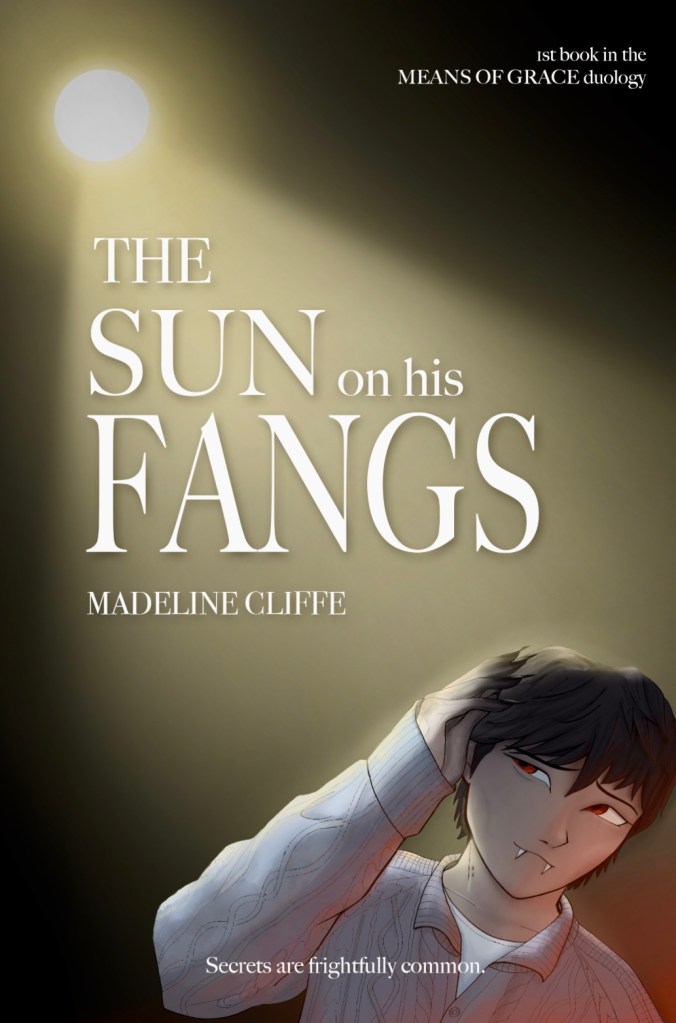
When I wrote the first draft of The Sun on His Fangs, I thought the idea was so niche that it was not marketable enough to be published. I had only considered traditional publishing, so if an idea wasn’t marketable, I figured it was a wash. That’s why I wrote The Sun on His Fangs exactly the way I wanted it to be: bringing up topics that I’m interested in without shying away from controversy, blending genres, and with an incredibly diverse cast.
At the time, I figured only my friends and family would read it, people who shared my beliefs. But once I started considering self-publishing, I started thinking the niche and risky nature of it would actually be an advantage in the self-publishing market where you have to make yourself stand out and find your audience. I almost took out several of the controversial elements in this book, and I did soften a few of them to better adhere to my YA audience, but nothing was taken out completely, and I stand by everything in its pages unashamedly.
Absolutely, and I agree. There are things that need to be talked about that traditional publishers aren’t going to support. It may take us a while to find our audience, but readers love finding an author that really speaks to their heart.
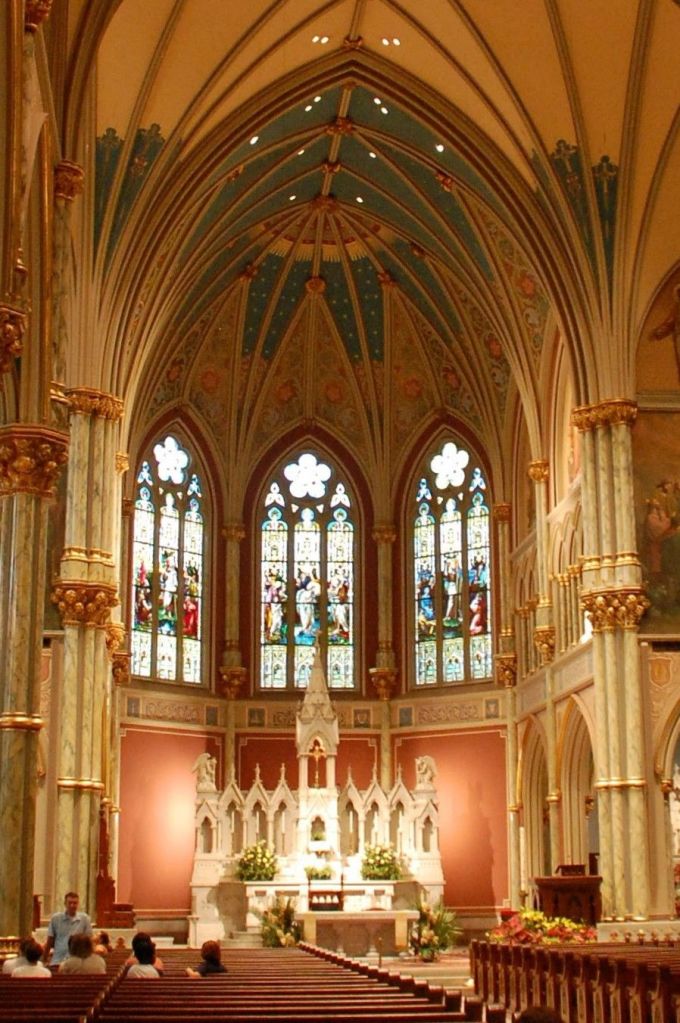
I was very interested in your Instagram reel on vampires and the Catholic Church, and how you feature a variety of churches and denominations in your book. I did some research into Catholicism for one of my books, and it was very eye-opening. A few readers didn’t like my choice to feature Catholicism instead of a more Protestant faith, but the setting was an area that is predominantly Catholic. I feel we should strive to portray our themes objectively and accurately, and that is what you did with The Sun on His Fangs. Would you share a little about that?
First of all, I think it’s so cool that you also took the time to learn about another tradition and portray it accurately! I have an ecumenical streak, and it certainly comes out in my Christian Fiction.
I grew up primarily in non-denominational churches, though I did briefly attend some other low church denominations like Methodist and Baptist. But all of them roughly had the same structure. My family started going to a confessional Lutheran church when I was in college, which led me to dive into high church traditions and the meaning behind liturgy and the sacraments. I ended up joining the Lutheran church as an official member. During this time, many people I knew in the non-denominational settings thought I was becoming “too Catholic” and that high church traditions were legalistic and the sacraments were works-based salvation.
Lutherans do overlap with Catholics on many doctrines, so I found myself sympathizing with and respecting Catholics even though I still disagree on many things. The Sun on His Fangs features multiple churches, and the female main character learns something about God in each one. My primary aim with this was to challenge the average Protestant reader to not think of Catholicism as another religion, but being a different expression of the same religion. I had to learn this lesson personally, and that has grown my respect for the vast love of God.
My primary aim with this was to challenge the average Protestant reader to not think of Catholicism as another religion, but being a different expression of the same religion.
I feel like we could chat about this topic for a long time, but in the interest of time, I’m going to shift gears. I’ve always wondered how writing about witchcraft and demonic possession might affect me as I’m doing the work, and you address these topics in your book. What did you find most challenging in writing about these things?
Perhaps this is my Lutheran side, but rather than focusing on the witchcraft or demonic side of the vampires, in The Sun on His Fangs I took more time to focus on how sin affects everyone. I lay out the theme that even “good people” do bad things, that all have sinned. Vampires drinking blood is compared to human sin multiple times, how both actions separate us from God. I wanted to make the vampire angle more personal than spooky.
The same thing goes for wizard magic. In The Sun on His Fangs, the wizard magic is more of a neutral force, though it is said to be less powerful than prayer and tainted, not purely good. I can give you a sneak peak and tell you that the wizard magic is shown to be objectively opposed to Christianity in book 2.
Thanks for sharing that.
I enjoyed your review of Through Quick and Quinn by Erica Mimran Sherlock. Many Christians keep themselves cocooned in a safe environment, and that was my story for many years. I’d love to hear an anecdote or memory that you have from working at the health food store and your interactions with the other workers or clientele whose belief system differed so much from yours.
Thank you for taking the time to watch my reel reviews! They are a labor of love and I know they are very long compared to most IG content.
For those who haven’t seen it, in that reel I talked about how I spent six years off and on working at a hipster health foods store. I opened the reel by saying “I used to work with witches!” Some of my co-workers were fully fledged witches, some were pagans, and some were agnostics who dabbled. There were a handful of times when I was asked what my star sign was right on the heels of the typical “how are you?”
We as Christians hear about these things and clutch our pearls (probably rightly so), but these people were in the middle of unchurched and liberal Washington State and hardly knew that their backyard witch garden would cause concern for anyone. Every pagan or witch that I knew was incredibly nice and accepting of other beliefs. Many of them read the Bible alongside other religious texts. They thought what they did was fun and didn’t see a problem with it. While I respect their openness, I do wish my area had a little bit more of a moral backbone where these things would not be seen as acceptable.
As we discussed in our initial conversations, one of your characters is same-sex attracted. I mentioned that this is a theme in a few of my books as well, and it’s a subject most Christian authors are afraid to broach. Can you tell us a little bit more about your character, and what led you to address it?
Yes, this character is one of—if not the—most controversial elements of my book. It’s kind of funny because it is also a very small subplot. I am a non-affirming, conservative Christian. I have no intention of promoting any of the letters in the LGBTQ+ acronym. That said, I have also seen on many occasions what the tight thumb of Christian culture can do to young people who are dealing with these things. Namely, it usually leads to secrecy. In the worst case, it can lead to apostasy. And all because we don’t like having hard conversations filled with speaking the truth in love.

That said, I have also seen what the tight thumb of Christian culture can do to young people who are dealing with these things. Namely, it usually leads to secrecy. In the worst case, it can lead to apostasy. And all because we don’t like having hard conversations filled with speaking the truth in love.
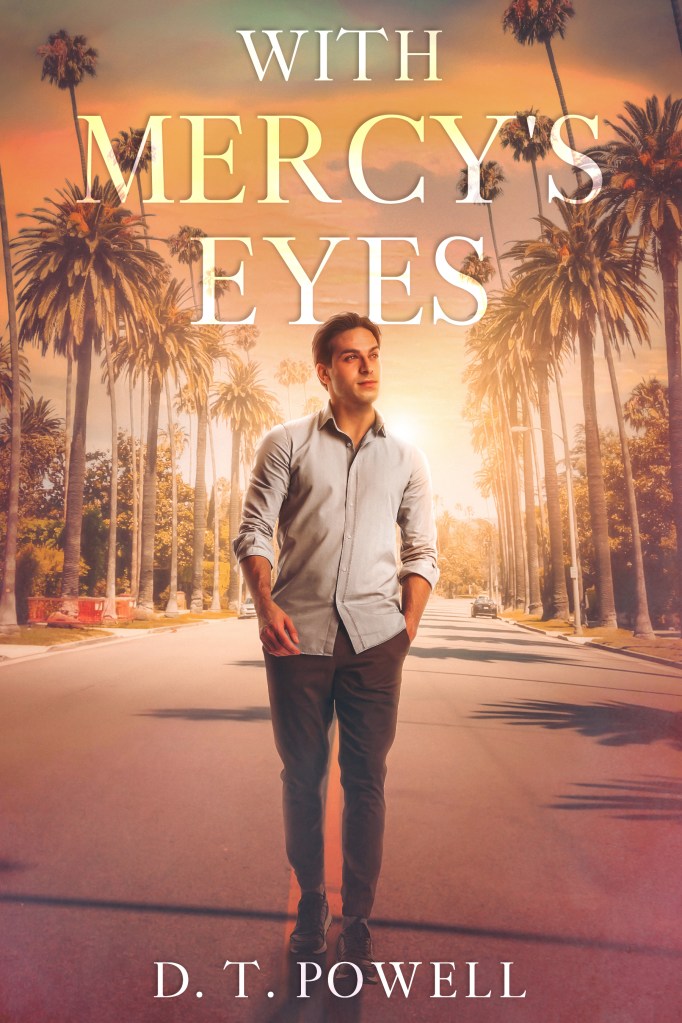
Christian Fiction seems to have a few deep topics that are approved within the genre: grief, alcoholism, war, domestic abuse, and sexual assault/harassment (if the victim is a girl). Did I miss any? These are important topics and I love seeing them addressed from a Biblical perspective. I just wish that we didn’t pigeonhole ourselves to a handful of topics. I have never seen a Christian Fiction book address same-sex attraction at all (though now I know of one called With Mercy’s Eyes that I am excited to read). If I see a gap in the genre I want to be the one to fill it. And also this helps encourage other CF authors that they are allowed to talk about things not normally talked about.
But how did I decide to put this into [The Sun on His Fangs]? I didn’t, really. I just saw the character as gay. You know when characters just do their own thing? I personally did not see an issue with having a character deal with this because it is something that real people deal with, as long as it is not glorified.
I know what you mean about characters doing their own thing, and the fact is, we come across people who are LGBTQ+ every day. It’s a de facto part of living in the world. I have a character in my current historical series whom I “just know” is gay. Homosexuality was very common in Weimar Germany, as it is today, and I think it is unrealistic to pretend things don’t exist.
As a final clarification for those who have not read The Sun on His Fangs, this is a very small plot point. It is mainly shown in one chapter (Ch. 20), and is referenced only a few other times in the rest of the book. The subplot ends without me, the author, putting in much commentary on what the Bible says about gay relations. I didn’t want to preach to my audience, only to show what someone might experience in this context.
Thanks for making that point. There are definitely varying levels of how these things need to be addressed, but even when sprinkled in, it is going to make readers think. Unfortunately, it seems that Christians often reject a book as soon as they find out it has a character who is same-sex attracted. Yet fiction can help us reevaluate our interactions with people in real-life.
Do you see a trend in which readers of Christian Fiction are becoming more willing to pick up books that deal with the grit of life, and maybe even seeking out those types of books?
This is a really good question, because the answer is both yes and no. I think the readers who want real grit in their books normally do not even touch Christian Fiction, even if they are Christians themselves. CF has the reputation of being sanitized, and unfortunately, that is often true. With The Sun on His Fangs, I want to capture the readers who wouldn’t normally touch CF, but will for this sort of book. Maybe it will give those readers a taste for other literature that shares their values.
Good point. I think that’s why I migrated to the Gen. Market: I wanted to address things from a biblical worldview without preaching to the choir. What methods have you found to be most successful in getting your books to your ideal readers?
The best method for getting my book to my ideal readers is to not lie about what it is. If I marketed it as squeaky-clean Christian Fiction, it would only disappoint people. My strategy is to be open about what is in the book and why I made the decisions I did. If a reader is intrigued by this concept, they are the right readers. But, I also want to be clear in the other direction. If I just say I wrote a vampire book, people instantly get smutty monster romance in their heads. So, I say it’s a Christian vampire book, and that covers most bases.
The best method for getting my book to my ideal readers is to not lie about what it is. If I marketed it as squeaky-clean Christian Fiction, it would only disappoint people . . . But, I also want to be clear in the other direction. If I just say I wrote a vampire book, people instantly get smutty monster romance in their heads. So, I say it’s a Christian vampire book, and that covers most bases.
I agree, it’s absolutely essential to be open about our books and what readers should and should not expect from them. Some readers might think, “Ok, what’s the big deal?” while others will be grateful for our efforts.
One final question. You’ve finished your draft of the sequel to The Sun on His Fangs. Congratulations! When can we expect a book release?
Yes, the sequel to The Sun on His Fangs is in the works! It will be the second and final installment in The Means of Grace Duology, and is titled The Snake on Her Neck. All updates, including cover reveal, content warnings, sneak peaks, and ARC sign-ups, will be on my Instagram. There is not an official release date yet, but it will be in either February or March of 2027. That gives everyone plenty of time to get caught up with The Sun on His Fangs!
Thanks again for sharing with me today!
Thank you so much for this interview and your interest in promoting indie authors!
Make sure you check out The Sun On His Fangs, and remember: It’s written with YA readers in mind, so if you have a bored teenager at home, this might be just the book they’re looking for!
If you want to be informed about the latest on the Aubrey Taylor Books Blog, sign up below. Posts happen between 1 and 3 times a month, and focus primarily on writing, German history and travel, as well as films and books. I will also introduce you to other authors in a variety of genres, so drop your email to stay up-to-date!