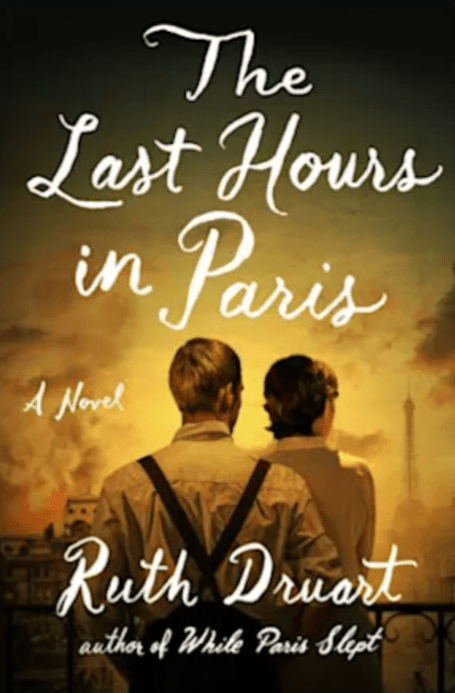
I have a confession: I have a very, very hard time reading a lot of the World War II fiction out there. I know, the experts say you have to read in your genre, and of course I do, but the majority of my WW2-related reading consists of soldier memoirs and non-fiction. When it comes to fiction, it has become harder for me to find things I really connect with.
There are many reasons, and I don’t want to say anything negative about the plethora of books out there that contain wonderful stories of heroism, resistance and rescue from the hands of evil. Those stories need to be told.
However, I have to be honest. I’m not trying to be offensive (or offended) or closed-minded. At this point, I’ve invested over three years learning to see things from the perspective of the Germans. Therefore, it has become harder to swallow a lot of things that are usually written into fiction and other media by those of us who grew up hearing the victor’s perspective.
Some historians recoil at the phrase “the victors write history,” but it has held very true in the case of the Second World War. I know that there is much ugliness in the truth, but the fact is, the ugly truth is not the whole truth, and often, the whole truth is not even considered.
That is one of the things I appreciated about this book. While there were still things that rubbed me the wrong way, there is a lot to love about the way it strives to tell a more balanced tale of love in occupied Paris.

I read it in about a week, which is pretty fast for me. It was an easy read, and moved quickly because the chapters are short. The story alternates between 1944 and 1963 and is told from three different perspectives: the protagonist Élise, her daughter Joséphine, and a German soldier named Sebastián. Naturally, I connected with Sebastián immediately.
Before I digress, let me tell you a little more about the author and the book itself. Ms. Druart lived in Paris, and her intimate knowledge of the city allowed her to describe the setting beautifully. As an author, setting may be my weak point, but I can definitely appreciate when an author has either spent time in the location they’re writing about, or has done extensive research and has a gift for bringing a setting alive.
Ms. Druart mixes both French and German in with the text, and that also gives the book the flavor of a French city occupied by their German enemies. (For more sensitive readers, I will add that the book is closed-door romance, but there are some suggestive passages. As far as language is concerned, there are some F-bombs and other obscenities, especially in conversations between Sebastián and his fellow soldiers. That said, this is the way many soldiers talk, and while I always use the phrase “he cursed…” in my own writing, instead of writing the words out, I have to admit that it feels a little unauthentic.)
So as I said, I connected with Sebastián immediately. He is a soldier, and has done his share of killing, but now that he is in the occupation force in Paris, his duties have been relegated to sitting at a desk and translating letters from French to German–letters in which French citizens are blowing in their neighbors. He knows that many of them are simply out for revenge or trying to gain favor in the eyes of the occupiers.

The job sickens him.
Here is where I get into what bothers me. Characters like Sebastián (and Werner from All the Light We Cannot See, for example) are portrayed as an anomaly.
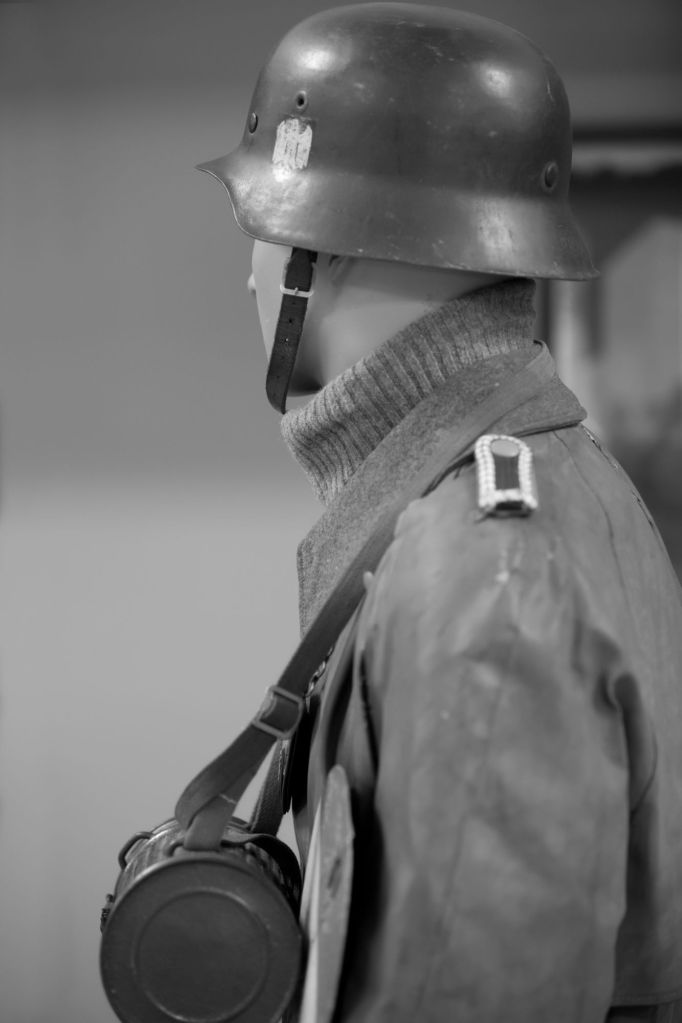
I haven’t done my research in this regard, because I don’t write “to market,” and the great majority of my characters are German soldiers: the good, the bad, the ugly, the heroic, the evil, the conflicted… you name it. But I almost wonder if the “one good German soldier” is kind of a trope people look for in World War 2 fiction, or at least in certain sub-genres of World War 2 fiction. If anyone has any insight into this, I’d be interested to hear from you in the comments.
I know that many readers do look for certain tropes in their favorite genres. (Tropes are elements readers expect to find in books of a certain genre). Somehow, we still want to believe that there were very few good Germans, and what we usually see is some combination of the following: pure evil, fanatical, stupid, drunk, or womanizing. Maybe in our hearts we know that they weren’t all like the types mentioned above, but we also like the narrative we grew up with.
Of course, we should be proud of the way America’s Greatest Generation secured freedom for the world–but to indict every German as an either foolish or fanatical representative of the madman at the helm of the Third Reich is difficult for me to stomach. Especially 80 years later when so much more has been revealed about what really happened back then. It’s out there, if people care to look.
(Maybe that’s why I’m so passionate about creating characters that represent the whole cross-section of the German men of the period… because so few of them lived to tell their stories, and many people will never read the memoirs of those who did.)

As one would expect, Sebastián is portrayed as a bit of an anomaly, but Ms. Druart does not shy away from depicting French sins as well. The opportunistic, somewhat power-hungry French policemen, the punishment of collaborators by French citizens after liberation, and the way the children of German-French “relations” were still shunned years after the war.
The author goes still deeper, using a bookshop owner named Monsieur Le Bolzec to tease apart some of the complexities of war. I loved this character, and the book would not have been the same without him. He is the bastion of truth and reason for both the French and the Germans, saying what needed to be said with wisdom, tact, and gentleness. French and German sins are exposed for what they are, but he also encourages Élise to understand Sebastián’s dilemma, and that of his people.
Sebastián is actually half French, and I found myself asking, “Why?” Perhaps it simply adds another layer of complexity to his situation, but I can’t help but wonder if being only half German makes his side of the story easier to digest. Did Ms. Druart feel that readers would be more willing to sympathize with him if he was not entirely German?
(This was, of course, not unheard of either. One of the most famous memoirs of WW2 is The Forgotten Soldier by Guy Sajer, who was half German and half French.)
To the majority of the French, of course, Sebastián was a Boche (a pejorative term for a German soldier) and nothing more. That almost goes without saying. There has been hostility between France and Germany for many hundreds of years, and neither country is blameless.
Elise, please listen to me. People are prejudiced; they don’t want to hear your story. Everyone will have stories, but they’ll only hear the word “Boche.”
Monsieur Le Bolzec, The Last Hours in Paris
Sebastián himself had no love for his German heritage. Even before the war, he preferred France to Germany, though he had only visited France for a short time at the age of sixteen. It seemed as if Germany had never done anything for him.
The book also touched on something else I reflect on often. Many Germans who lived through the war left the country within five to fifteen years after 1945. What was true for the character Sebastián Kleinhaus was true for many real Germans after the war: “There is nothing left for me there.”
“There is nothing left for me there.”
Sebastián, The Last Hours in Paris
The Germany he knew was gone.
I have heard and read similar sentiments from many different sources. I do not think people are necessarily talking about the end of the Third Reich. They are talking about the Germany of before, even as far back as the peace and predictability of Imperial Germany before the First World War. Of Church and Kaiser. Of pride in their heritage and culture. They are talking about staring down an unknown future in an occupied land. (Did you know that up until 1990, members of the US Army and Air Force still received an Army of Occupation Medal for serving in Germany?)
As I said before, overall, I really enjoyed this book. While it didn’t completely do away with all the stereotypes we are used to in English-language WW2 fiction, it struck a chord with both me and a friend of mine, who is likewise interested in reading things that present a more balanced perspective. This book challenges the view of the French as nothing more than victims, resistance, and collaborators. It challenges the reader to stop and think what that really looked like, and how each side in war is responsible for crime, wrongdoing, hatred, bitterness, revenge. (Remember what the French did to the Germans in the previous century.)
“And so the never ending wheel of revenge turns.”
Élise, The Last Hours in Paris
So, balance. If you have found other books that tell a more complete story, I would love to hear your recommendations in the comments.
Stay tuned for a GREAT guest post by author Jane Daly on April 15, especially if you are an aspiring author! Hint: her post is entitled, “I Finished My Manuscript. Now What?” If you would like to receive blog updates, drop your email below!
 Aubrey Taylor Books
The Last Hours in Paris sounds great. I admit that I don’t often read WWII fiction, so I wish I had recommendations for you (haha, besides your own books!), but I don’t.
LikeLiked by 1 person
That’s ok, Patricia! I also read what I can find that has been written by German authors and translated into English. The two perspectives balance each other.
LikeLiked by 1 person