Originally, I planned to take this opportunity to look at the changes I made to the religious/faith content of Sani: The German Medic, but I decided it was more timely (and perhaps necessary) to address changes to the book’s historical narrative first.
If you want a better explanation of what happened to motivate this post, you can read my post on Substack, which I use for blogs and notes that do not seem to fit on my other outlets.
I also need to make a few caveats:
- Even if people say they want the truth, they don’t want all of it. At the very least, they don’t want it all at once.
- There’s no point in me trying to explain or debate with people who cling to the idea that “history is NOT written by the victors.” Yes, you read that right.
- With regards to the narrative of WWII, it should be said that someone from Russia or the Far East is going to have a different interpretation of events than someone from the USA or England. Therefore, it should come as no surprise that the Germans have their own perspective as well, and I am astounded that people would pick up a WWII novel labeled “German Perspective” and expect it to fit in with the traditional WWII narrative.
- Every player on the world stage at the time had a propaganda machine that was driven by the interests of the media and leadership, not the population. (Yes, it was going on way back then just as it is today.)
- I’m trying really hard not to be snarky or condescending with this post. Anything that comes out as such is just me, giving vent to my frustration, not with a few negative reviews on Goodreads, but with the pervasive mindset that we don’t question anything about World War II.
I am astounded that people would pick up a WWII novel labeled “German Perspective” and expect it to fit in with the traditional WWII narrative.
My stories attempt to portray the events of the first half of the 20th century as a German would likely have experienced and understood them at the time.
I choose not to focus on the traditional victims and heroes part of the narrative. To be sure, it is safer to write about victims or people who resisted (whether actively or passively), but that is only part of the extensive and varied German side of the story.
My final decision to rewrite Sani came when I could no longer stand all the ways in which I had filtered the German experience through an American lens. In other words, I no longer felt like the book was true to the story as I have come to understand it.
It is true that my main character, Frederick, was an American himself. However, even in 1938, his perspective would have been different from my perspective in 2021, when the book was first written. I think that even the most experienced writers lose some of that nuance. They unwittingly filter their stories through the lens of our modern understanding of the Second World War. How easily history becomes mythology.
In 1938, attitudes toward Hitler’s regime varied, even within the United States. Notably, before America joined the war on the side of the Allies, there was a significant percentage of the population that felt we should join the Axis. Why? Because they saw Communism as a far greater threat. I am sure there were other reasons as well.
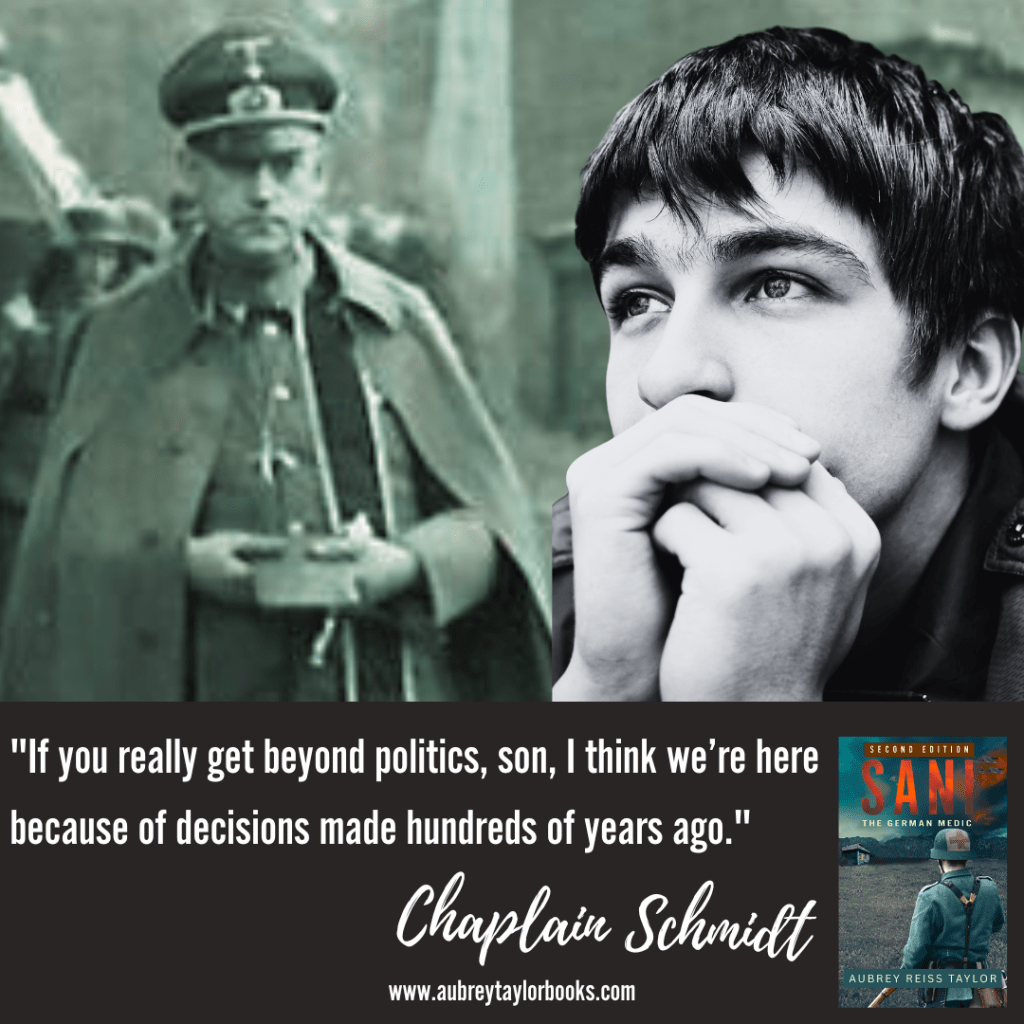
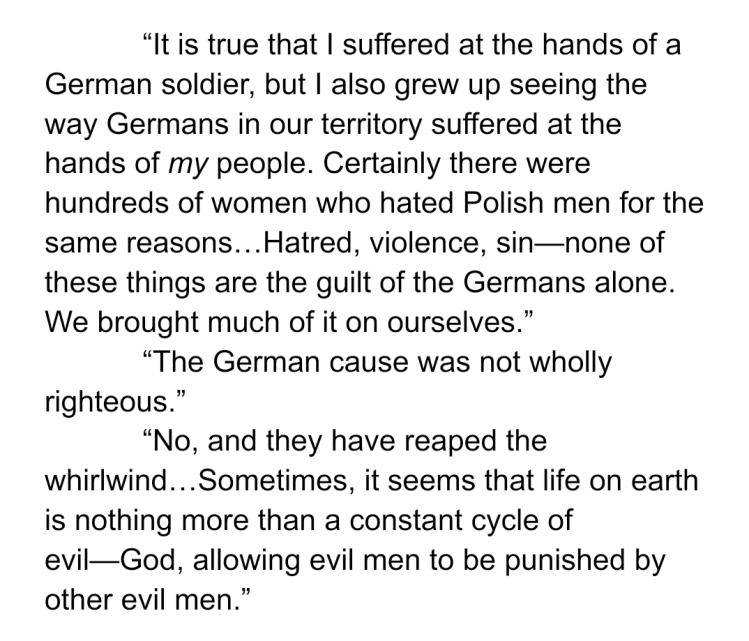
One thing we don’t often take into account is that both the world wars were a struggle to preserve Old World principles, values, and culture. By the 1930s and early 1940s, many saw the National Socialists as trying to preserve the old ways, whereas Communism would destroy whatever vestiges remained after the secularism and modernity of the “Roaring Twenties.” It is that thinking that inspires this quote:
As I rewrote Sani, I kept the attitudes of the Americans in Frederick’s circle as they had been in the original story: his mother Hannah and Paul Strauss were both wary of Hitler. Paul Strauss kept himself apprised of the goings-on in Germany while Hannah was a bit more out of the loop (and preferred to stay that way).
In the rewrite, I played up Frederick’s struggle to understand his new friends in Germany. I felt I had a much better understanding of their perspective, and I was able to give them more opportunity to explain themselves, rather than just spit out what I had been taught my whole life.
Many of us are tempted to write those things off, as if hyperinflation and the Versailles Treaty were enough to lead to the rise of Hitler. In reality, there was much more going on, and it was not just black and white.
If one really cares to look into it, they will discover that Weimar Germany was every bit as sinister and wicked as we tend to think Nazi Germany was. This shouldn’t be hard for us to believe with the things that are coming to light in our own time (Epstein, for example). Christians specifically ought to be more concerned is that Weimar Berlin was a hub for child trafficking, homosexuality, and transgender surgery. Many of the books the Nazis burned were with regards to these things, or they promoted Communist ideals.
I digress. There is little to do with Weimar Germany in Sani: The German Medic. It is only relevant as background. However, I have another book coming out this summer that will deal directly with Weimar as it should be represented.
Readers may have noticed that more and more people are saying, “Maybe the Austrian Painter (Hitler) was right.” This should not surprise us, given the fact that so many other things are being exposed as lies. But if we want to be able to respond to this phenomenon properly, with arguments that hold water, we can no longer rely on the answers we once did. History is not as black and white as we want it to be.
But back to Sani. There are a few areas in which I made some changes that will probably chafe against the things we’re used to reading.
The easiest to deal with, believe it or not, is the war on the Eastern Front. Many people who fancy themselves scholars of World War II do not have much understanding of the German war in Russia, and what they do has been filtered through a Western lens.
I have shared this graphic before, and while it may not be 100% accurate, it is more accurate than most of what we see from Hollywood or read about in textbooks.
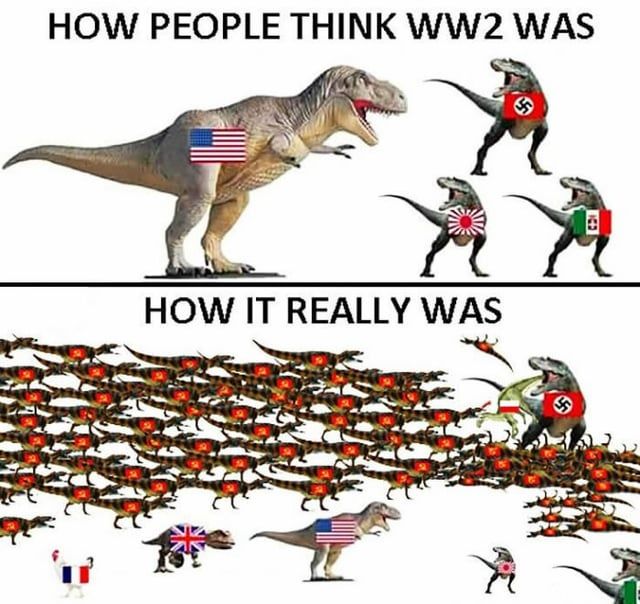
Yes, there were ugly truths about German actions on the Eastern Front, but the warfare, as a whole, was brutal beyond anything we understand in the West. The Germans did not bring brutality to Russia. The brutality had already been going on there for decades.
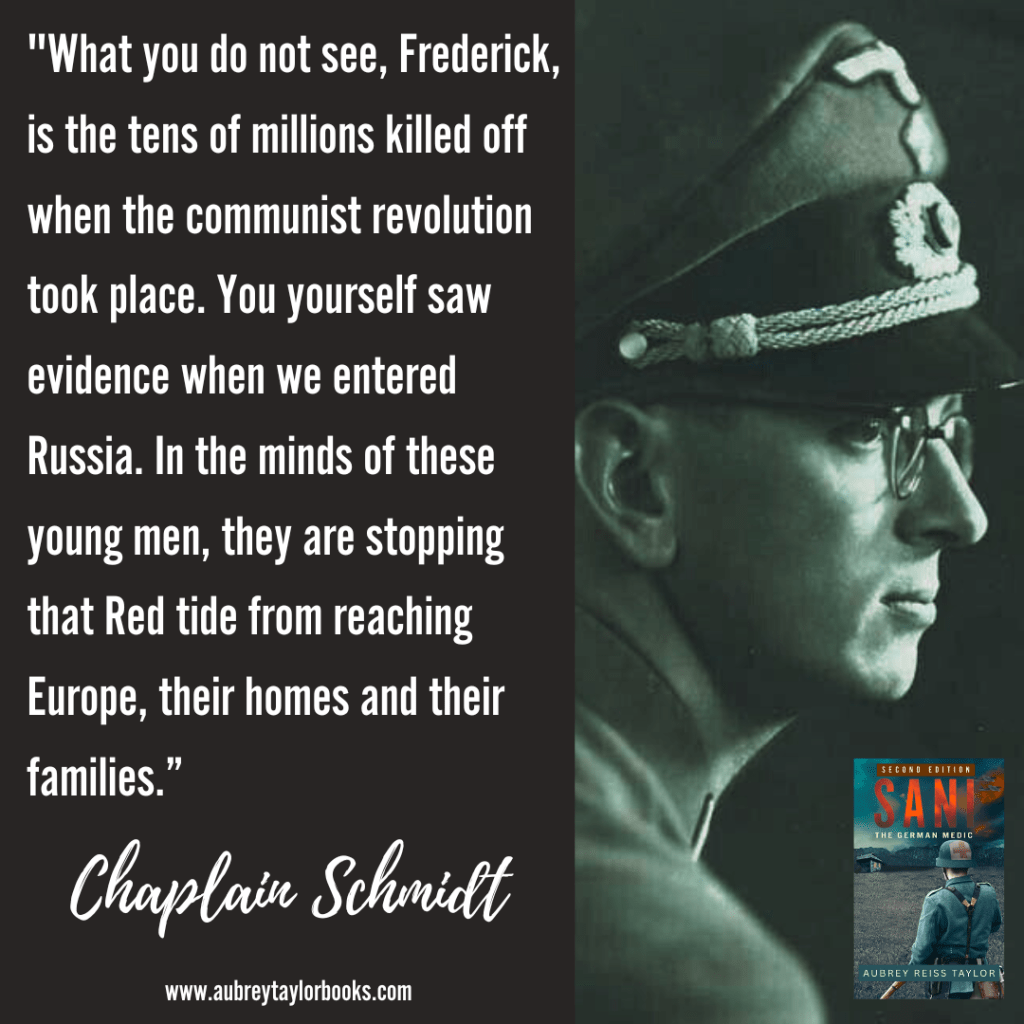
The second issue is one that has a tighter hold on people’s heartstrings. Without exception, Poland is always painted as a victim of World War II. Even in books like Ruta Sepetys’ Salt to the Sea, in which the author strives to remain objective because of her own family’s history, the Polish character is a victim of both Hitler and Stalin.
Of course I don’t deny that Poland was invaded by both Germany and Russia in 1939, but because I write German-perspective fiction, I’m going to talk a little more about how the German population saw things.
Polish crimes against ethnic Germans weren’t limited to one isolated pogrom. Rather, there was ongoing and repeated violence and hostility against the German population in what had become Polish territory after WWI. This is over the course of twenty years. (There was, of course, also the issue of Danzig, which I won’t get into here, but it was another significant issue on the road to war.)
In the late 1930s, after repeated attempts (by Hitler) to make peace, the Poles were not interested. And that is why he finally vowed to “speak to the Poles in the only language they understand.” Yes, I used that quote in the book. Could I really lie about that after so many sources have told me the same thing? Should those kinds of secrets stay hidden just to satisfy readers’ expectations?
Many of these things can be found on the Recommended Books and Films tab. Furthermore, I hope that people will do their own research and find out all they can. As I mentioned above, the world is changing. Specifically, a younger generation is coming up that is not satisfied with our pat answers about things. They want to understand on a deeper level–that doesn’t mean denying everything flat out. It means–to use writerspeak–finding the plot holes in the narrative and striving to fill them with truth.
Occasionally, I hear people say that “the crimes committed by the Germans are far worse than the crimes committed toward Germans.” There is a lot to unpack there, far more than most people realize, honestly.
For the purposes of my story, in 1939, no one knew that the war would drag on for six years, or what would transpire in those six years. In the pages of the updated manuscript, I allow my characters to explain, from their point of view, why Germany invaded Poland, and I also allow Krystyna, a Pole herself, to admit that she knows her people are not innocent.
Below is a postcard from 1921, long before the Nazi era. With a nod to Little Red Riding Hood, it depicts a German girl carrying the German region of “Silesia” in her basket. Silesia was right next door to Poland, and, as you can see, the wolf bears a Polish eagle.
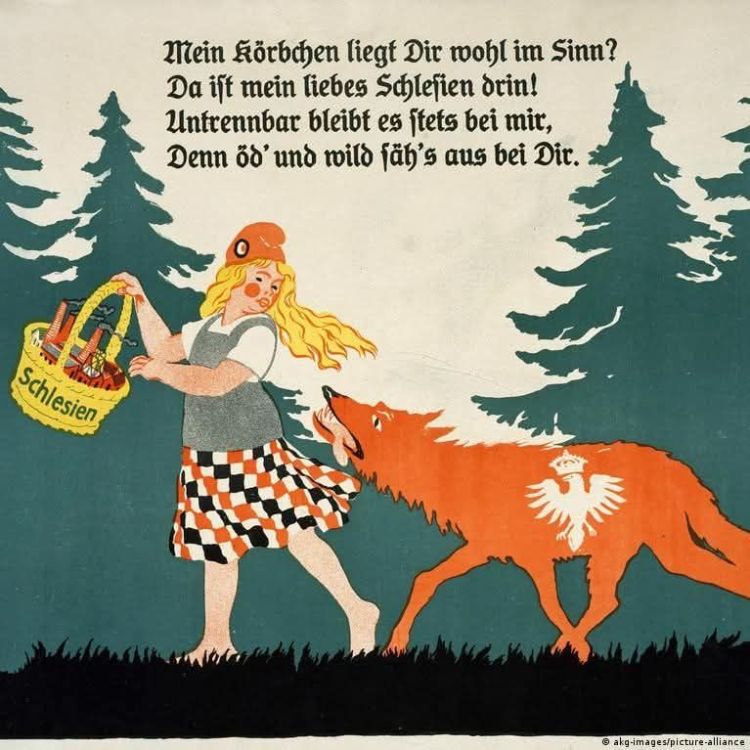
None of this is done with the intention of making a case against Poland, only to point out that there is, as always, more to the story. Interestingly, Poland was not shy in taking back its own pieces of Czechoslovakia around the same time Hitler reclaimed the Sudetenland. There are always territorial disputes in Europe, because political borders do not always reflect (or respect) the distribution of people groups. Therefore, Americans and even the English cannot truly understand the complexities of European politics, which date back hundreds of years.
There are other minor instances in this book where I had to dial back passages that were too shaded by 80 years of history and the victor’s narrative. Again, I am not looking to align my books with Houghton-Mifflin, McGraw-Hill, Hollywood, or the majority of WWII fiction. I am looking to align my books with what was going on in Germany at the time.
With these things, the elephant in the room is always the Holocaust. I’m sure there is a handful of people who assume I am a Holocaust Denier. I am also sure I won’t change their mind by trying to explain my point of view.
With regard to this, I only made one major change in Sani. Because this article is already long, and because the change lends itself as much to religious content as historical content, I’m not going to deal with it much here, except to say that historically, there were no death camps and no Holocaust at the time the scene in question takes place (1940). In another scene, Frederick simply questions the purpose of concentration camps and who gets to decide who goes there. It is worth noting that concentration camps themselves had existed in other parts of the world at other times, namely during the Boer War in South Africa.
Readers can choose to disagree with the things I write, but to expect me to squeeze my stories into the expected mold? No. In many other realms of life, we would easily admit that there can be differing perspectives. Even the Bible disagrees with itself in certain places (consider the different accounts of Matthew, Mark, and Luke).
It is true, my characters don’t speak for all Germans. Perhaps they speak for Germans who have stayed silent all these years, but they are heavily inspired by the piles of memoirs, diaries, and histories I have read, written by brave people who have told their side of the story, even when it is an unpopular one.
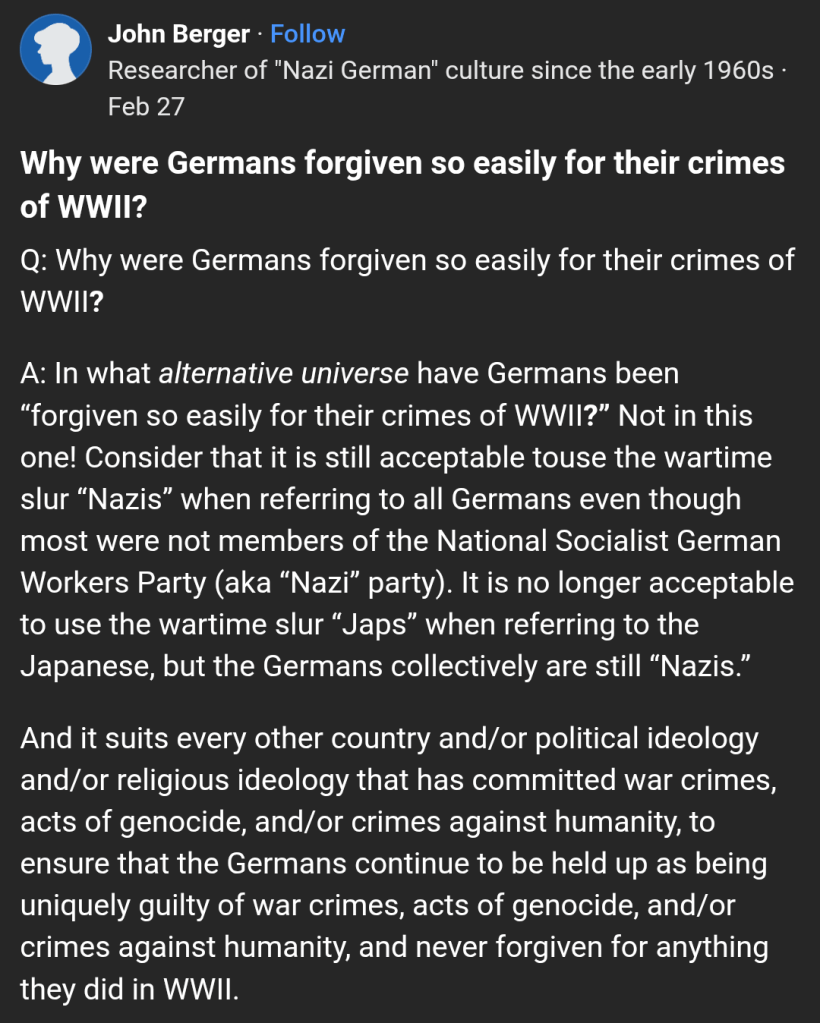
I will leave you with a screenshot from Quora. The answer is well thought out, and hopefully, leaves readers with something to chew on.
If you want to be informed about the latest on the Aubrey Taylor Books Blog, sign up below. Posts happen between 1 and 3 times a month, and focus primarily on writing, German history and travel, as well as films and books. I will also introduce you to other authors in a variety of genres, so drop your email to stay up-to-date!
Coming March 19: An Interview with Author Terri Fox!

 Aubrey Taylor Books