
Imagine being eleven years old and crossing an ocean to an unfamiliar land where you not only don’t know the language, but, because you are deaf, you can’t be sure what is going on around you.
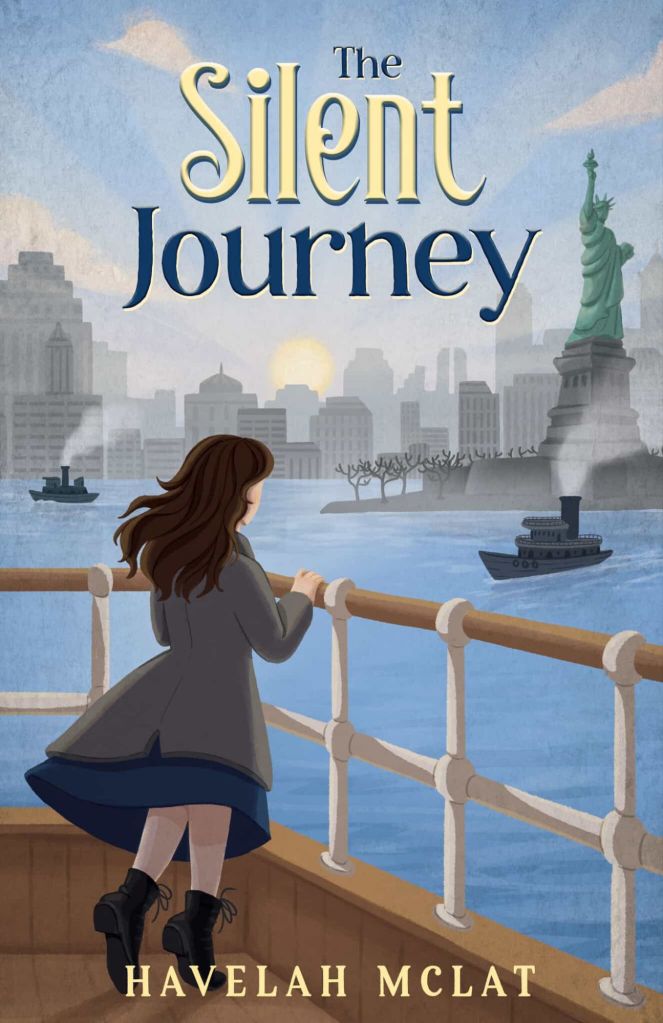
This is only one premise of Havelah McLat’s upcoming release, The Silent Journey. Written for a Middle Grade Audience, readers will journey with 11-year-old Anika Bohdan from 1930s Ukraine to New York City.
The history of Ukraine in the 1920s and 1930s is something we in the West are only beginning to understand. For decades, stories of the Holodomor were hidden behind an iron curtain, and drowned out by other tragedies of the 20th Century. Yet millions of people were forced to choose between leaving their homeland and starving to death.
I could not resist finding out more about Ms. McLat’s background and the inspiration behind this story, so for the first time, I am publishing an interview here on the Aubrey Taylor Books Blog. I hope you enjoy getting to know Havelah McLat, and if you have a young reader in your life, I hope you will share The Silent Journey with them!
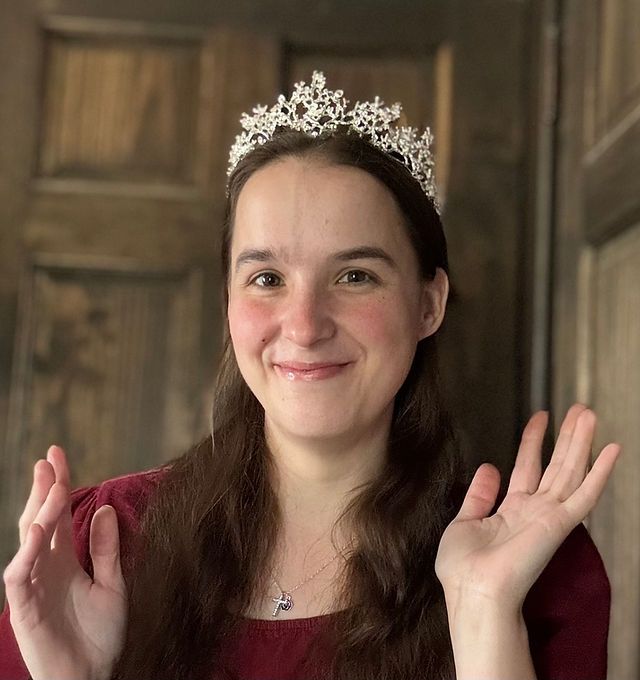
Thanks for being willing to join me on the blog and answer my burning questions. Let’s get started with something simple. How long have you been writing?
I have been a writer since I was thirteen. I started off with fanfic. I would use Tinker Bell friends and my own characters to create stories. In Summer 2011, I wrote my first short fiction and from there the rest is history.
Over the years, you’ve enjoyed writing in a number of genres. Do you have a favorite?
When I first started it was a cozy fantasy, mainly fairies and the enchanted world. But as time went on, I began to write contemporary, sweet romance, fantasy retelling, and now historical fiction. I have a hard time sticking to one genre for the long term. I jump from one to another. As a creative writer, I feel there is more room to explore than sticking to one genre. You will never know what you will get from me. However, if I [had to] pick one genre, it would probably be cozy fantasy.
How interesting! I’ve heard the term ‘cozy’ used for mysteries, but I’m curious what the difference is between regular fantasy and cozy fantasy. Could you elaborate?
My understanding between cozy and fantasy: cozy means there are no high stakes. Readers tell me Dust and Crown is cozy because of the vibes of fairies and the enchanted world. However, some say [the book] does carry high stakes, though not to an extreme. I suppose readers each have their own definition of what is cozy. Now, fantasy means it has magic and mythical characters. There is more to it, but I’m no expert in that field. Mine is more soft fantasy meaning there is no super-complex, heavy magic system or world building.
That makes sense. Let’s shift gears from Fantasy to Historical Fiction, and talk about your upcoming release, The Silent Journey. In this book, main character Anika Bohdan is deaf. What inspired you to write from this perspective?
As a young girl who was hard of hearing, I didn’t read books featuring a protagonist with a disability. I thought it would be interesting to write one from that perspective.
Fun fact: this is not my first time wanting to write a story about a deaf protagonist. I tried two times before The Silent Journey came around, but this would be the third story completely drafted, edited millions of times, and published.
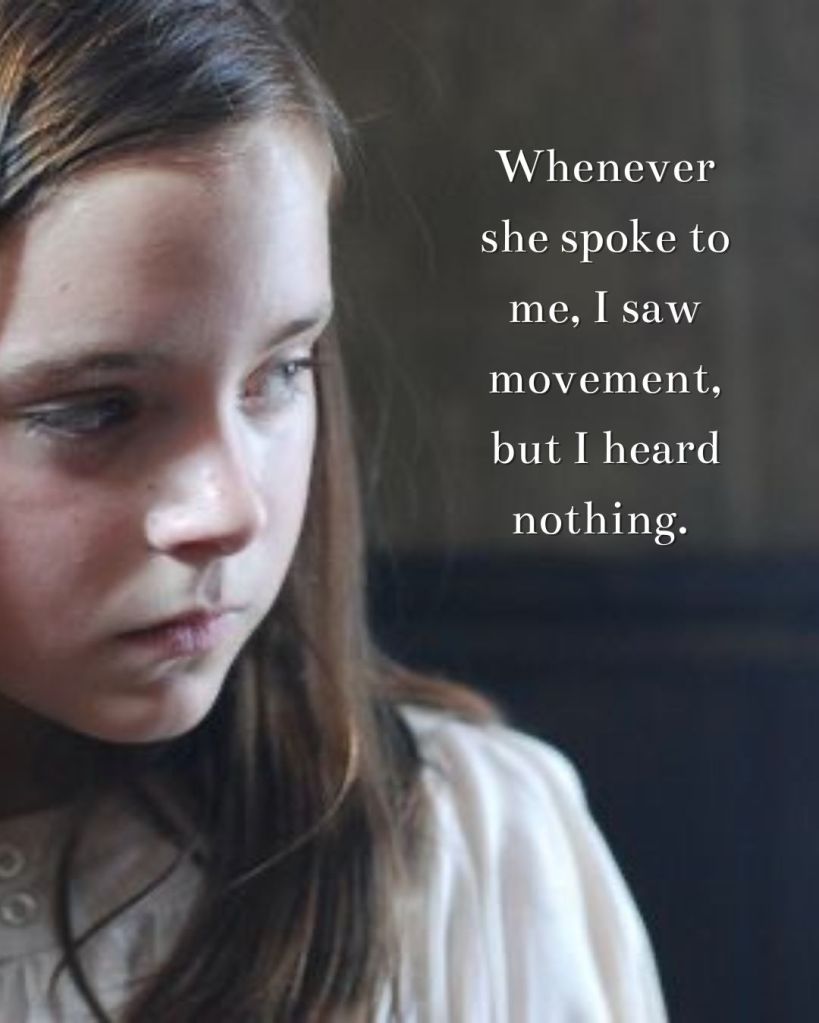
Anika’s character is inspired by someone I met. I read her testimony about her deafness and how she learned to speak and read lips. However, the story concept itself is heavily inspired by the 1995 film adaptation of A Little Princess. I absolutely adore the film and the relationship between the daughter and the father and how they reunite at the end. I thought, “What if a character is deaf, but coming from Ukraine to America, and searching for her papa?”
This is wonderful! My husband of 19 years is hard of hearing, so I understand some of the unique struggles and how coming to a strange country would be compounded by not only being unfamiliar with the language, but the fear of not hearing what is being said.
You mentioned that along with being deaf, Anika is coming from Ukraine. Is this part of your own heritage, or simply a culture that interests you?
I was born and raised in Ukraine before I came to America. Growing up, I didn’t do a lot of research about my heritage until later in my teens.
Another fun fact: The Silent Journey is the second story I wrote that took place in Ukraine. In 2013 I wrote a novella about a family in Ukraine. I’m not sure when I’ll get back into that story, but I will never stop learning about my heritage and the country.
I think heritage is very important! I’m curious about the other story you mentioned–can you give us a hint as to what genre it is, or maybe a tidbit about the main character?
My current project is a contemporary with a tiny bit of sweet romance. Without giving too much information since I’m still flashing out the story, the main character Olena is seventeen years old dealing with anxiety and questions about her future and the war happening in her country. She learns how to cope with the situation around her and not lose hope.
That sounds like an important story–anxiety is a part of many people’s lives. I’ll look forward to hearing more about that as it comes together.
The Silent Journey is written for a Middle Grade audience. Since it’s hard to use the internet to market to this age group, what would you most like to tell the adult audience that is reading this post?
Hmm, I would say to the adults, “If your kid likes a protagonist who is courageous and determined, escaping a famine-ravaged country on a daring adventure across the sea to a new world, and reuniting with her family, then they will like this book.”
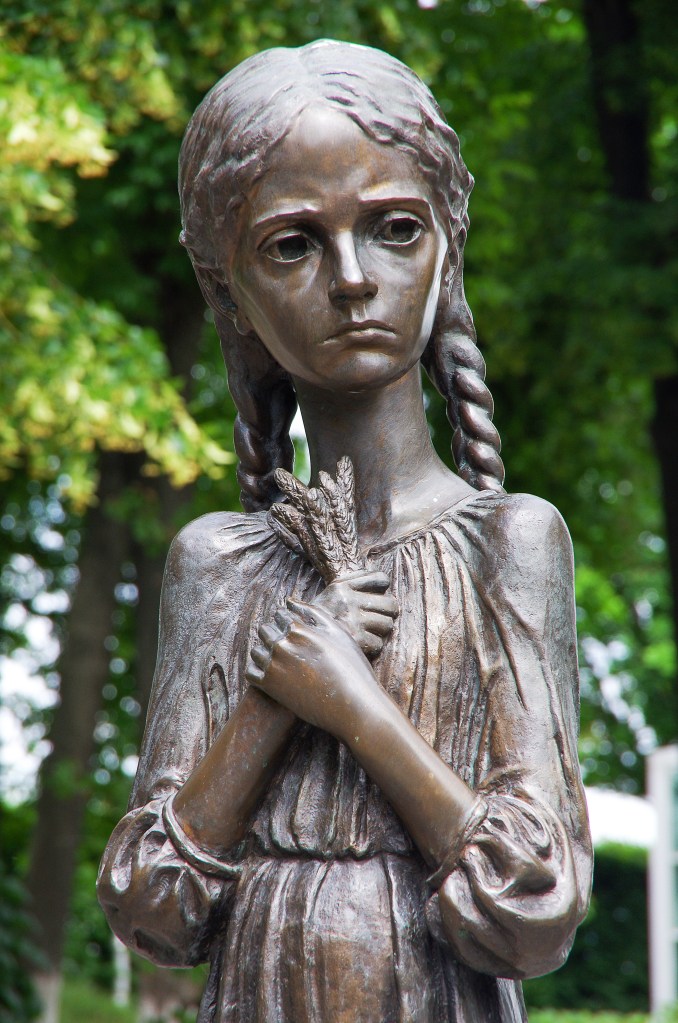
When you say famine-ravaged country, you are talking about the Holodomor in Ukraine, correct? This is a time period I think many of us in the West are only now learning about. Is there a companion book you could suggest to adults who want to learn alongside their child? Perhaps a good piece of historical fiction or non-fiction that will give them more insight?
Yes, that’s correct. While I didn’t use that word specifically, I show it through Anika’s eyes. I didn’t know much about it until a few years ago when someone loaned me a book called Red Famine: Stalin’s War on Ukraine. I didn’t read the whole thing, but I read five chapters. It was not an easy read.
Then I read The Memory Keeper of Kyiv, a historical fiction. Oh man, that was a roller coaster for me. I laughed, cried, felt angry, and [was heartbroken]. It is a good book though. As I was working on The Silent Journey, I read another book targeted to MG called The Lost Year. I personally felt that one helped me understand better through a kid’s eyes compared to The Memory Keeper of Kyiv. For the sake of the story, I didn’t go too far like those books, but it gave enough layers to use as a historical backdrop.
Can you tell us about another story you are working on?
Yes. It is a YA contemporary war-torn novel in verse. It takes place in 2022 when Russia attacks Ukraine and everyone flees. This is about a young girl surviving while her brother is fighting for the country. That’s all I can share for now, but I hope to launch it in 2027. A long way off, but that’s one project I’m working on. Another project I would like to work on is NA Time Travel, but for now, I’m focusing on one story at the time.
That is wise! Thanks again for sharing some insight into your writing. All the best with your upcoming release!
Be sure to preorder The Silent Journey at the link below. (Releases March 23rd.)
If you want to be informed about the latest on the Aubrey Taylor Books Blog, sign up below. Posts happen between 1 and 3 times a month, and focus primarily on writing, German history and travel, as well as films and books. I will also introduce you to other authors in a variety of genres, so drop your email to stay up-to-date!

 Aubrey Taylor Books